
Advertising

Chicago Bears 🐻⬇️

2026_BHM_Thumbnail

Bears hosted Black All-Stars in historic game at Soldier Field

One of the most historic games in Bears history did not count in the standings and wasn't even against an NFL team.

On Sept. 23, 1938, Bears founder, owner and coach George Halas led his club against a team of Black All-Stars in a charity exhibition game at Soldier Field.

ticket

After creating the MLB All-Star Game in 1933, the Chicago Tribune helped set up the contest. The newspaper hyped it as "a mammoth battle of the gridiron gladiators" as well as "the first game of its kind in the history of the world."

"[Halas] was the only leader of an NFL team to give Black players a shot," Chicago historian Shermann "Dilla" Thomas said during "Love, Legacy & Chicago," a Black History Month roundtable with the Bears and The TRiiBE, a digital media outlet reshaping the narrative of Black communities in Chicago. "They challenged all the NFL teams to a game, and everybody said no except George Halas.
clip1

"I'd imagine that a lot of future athletes, particularly here in Chicago, seeing that opportunity, seeing Black men line up against NFL players, was very inspiring."

While Black players had been on NFL rosters from the league's inception in 1920 through 1933, they were unofficially banned for the next 12 seasons. Halas reportedly tried to persuade fellow owners to lift the ban in 1940, but he was unsuccessful. Reintegration finally occurred in 1946 when four Black players joined NFL teams, including former UCLA star Kenny Washington.

Interestingly, the Bears historically have advocated for Black pioneers. They made George Taliaferro the first Black player selected in the NFL Draft when they chose him in the 13th round in 1949. And Willie Thrower became the first Black quarterback in the NFL's modern era when he played for the Bears in 1953.
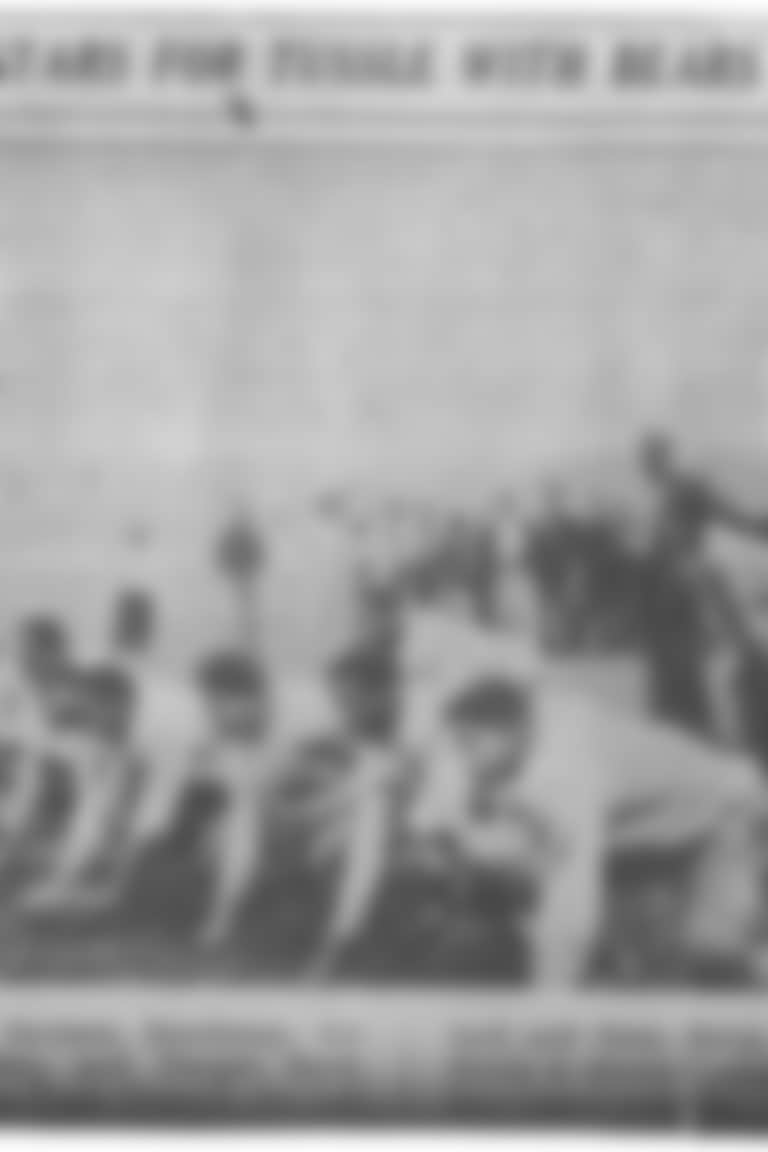
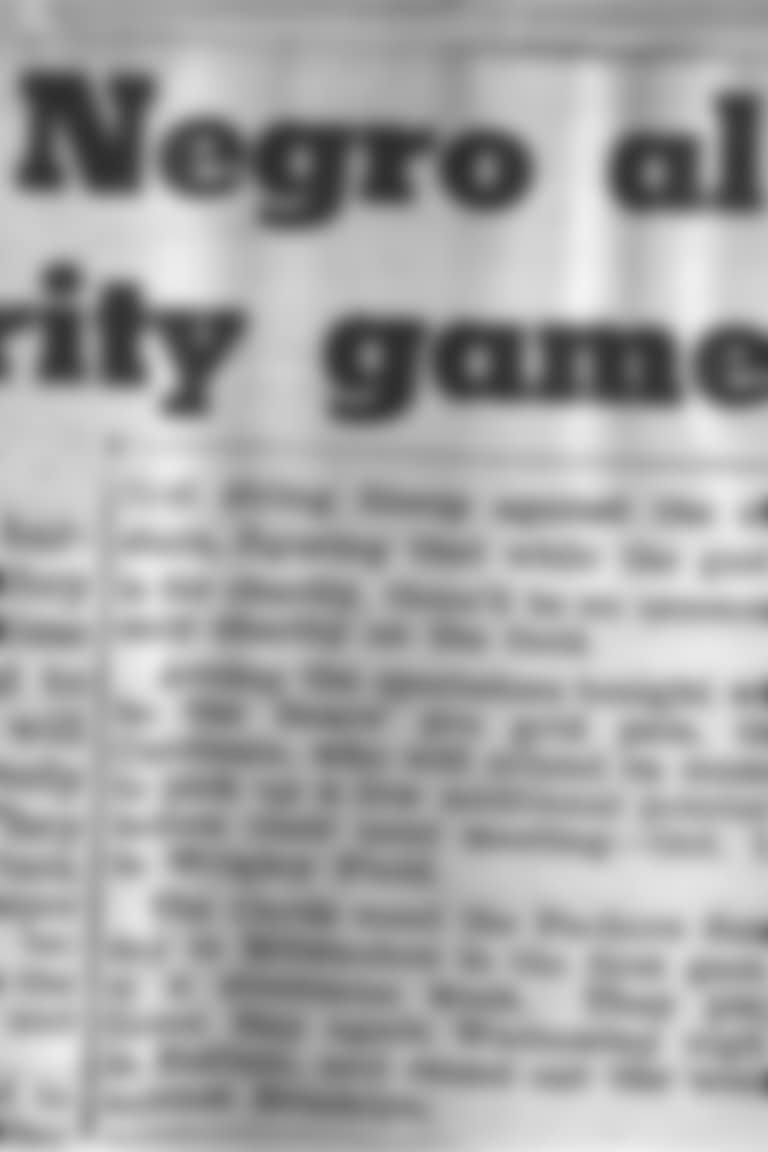
Meanwhile, the 1938 Black All-Star squad that faced the Bears in the exhibition game at Soldier Field was selected via mail-in voting conducted by 100 Black newspapers throughout the United States, including the Chicago Defender.

The team was coached by Duke Slater and Ray Kemp, both of whom had played in the NFL. Slater was an All-American tackle at Iowa who helped the Hawkeyes win the 1921 national championship. He was a six-time All-Pro selection in 10 NFL seasons with the Milwaukee Badgers (1922), Rock Island Independents (1922-26) and Chicago Cardinals (1926-31).

Kemp played tackle for the Pittsburgh Pirates in 1933 after starring at Duquesne University, where he was coached by Elmer Layden, a former member of Notre Dame's famed "Four Horsemen" who later served as NFL commissioner.

The Black All-Stars featured several Big Ten products, most notably Iowa halfback Ossie Simmons and Minnesota end Dwight Reed. The roster also included two former Chicago high school stars in quarterback Jack Hart (Phillips) and lineman George Edwards (Englewood).

The 1938 Bears were led by future Hall of Fame offensive linemen Danny Fortmann, George Musso and Joe Stydahar.

The Black All-Stars spent three weeks practicing for the game, but the Bears ultimately proved far superior, winning 51-0, though they lost veteran right tackle Lou Gordon for the rest of the season with a broken leg.

While a crowd of 25,000-30,000 was expected, only 5,000-6,000 attended the game, which kicked off at 8:30 p.m. and benefited three local organizations: Hull House, the Abraham Lincoln Centre and the United Charities of Chicago.

Interestingly, their game against the Black All-Stars was the first of three straight non-league contests for the Bears—in a five-day span. In those days, NFL teams scheduled exhibition games throughout the season to generate additional revenue.

After their Friday night contest against the Black All-Stars, the Bears played against independent teams in Cincinnati Sunday and in Charleston, West Virginia, Tuesday before resuming their league schedule with a Sunday game against the Eagles in Philadelphia.

To learn more about Black history and the Bears, watch this "Love, Legacy and Chicago" roundtable discussion involving Bears vice president Brian McCaskey, Chicago historian Shermann "Dilla" Thomas, Triibe correspondent Jerome Johnson and Bears reporter Jasmine Baker.

back to top

Related Content

Advertising